

What Is MDF Spray Finishing and How Is It Different from Paint?
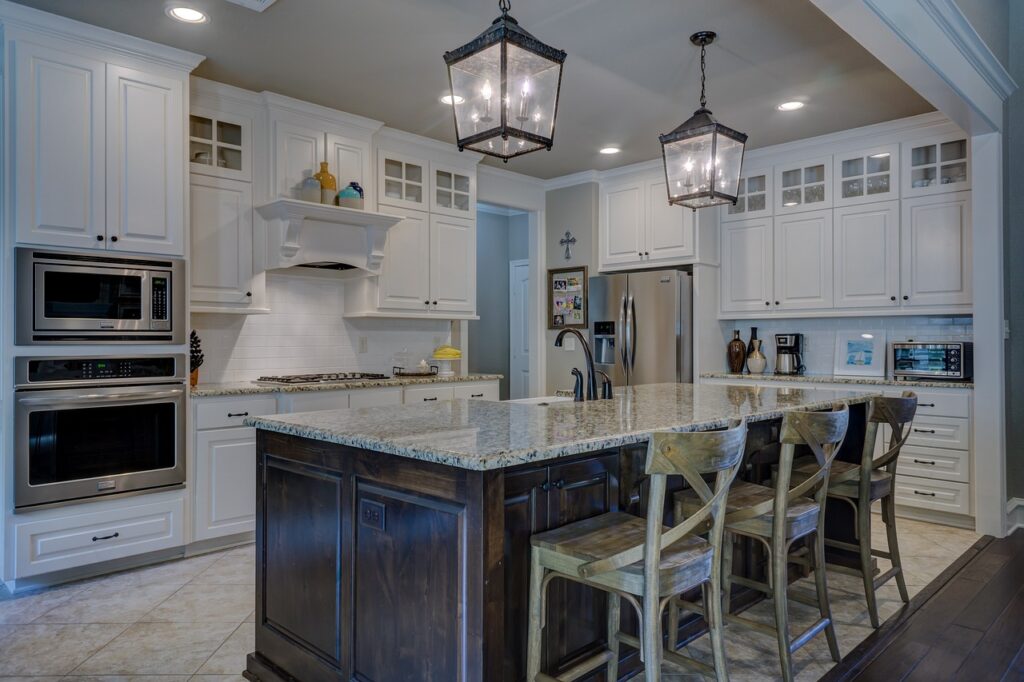
MDF spray finishing is a professional wood finishing process where specialist coatings — a primer, basecoat and a sprayed lacquer topcoat — are applied to MDF with spray equipment and cured, producing a smooth, hard-wearing, factory-quality finish. It is very different from ordinary paint: standard paint is usually brushed or rolled on as a single decorative film, while spray finishing builds up thin, even, sprayed layers that bond into a tough, flawless surface with no brush marks.
Because MDF is dense and porous, it does not take ordinary brushed paint well — the cut edges soak up paint and swell, and the finish looks uneven. Spray finishing solves this by sealing the board first and applying coatings designed specifically for MDF. This guide explains what MDF spray finishing is, how it differs from paint, and where it is used.
Key Takeaways
- MDF spray finishing applies sprayed primer, basecoat and lacquer for a smooth, factory-quality finish
- It is far more durable and even than brushed or rolled paint, with no brush marks
- MDF must be sealed first because its porous cut edges absorb paint and swell
- Two-pack (2K) polyurethane and acrylic lacquers give the hardest, most hard-wearing finish
- Available in any RAL or NCS colour, in matt, satin or gloss
- Ideal for kitchens, shopfitting, furniture and commercial interiors where a premium finish matters
What Is MDF Spray Finishing?
MDF spray finishing is the process of coating MDF (medium-density fibreboard) with sprayed finishes rather than brushed paint. The MDF is first sanded and sealed, then a primer and basecoat are sprayed on, and finally a lacquer topcoat is applied and cured. The result is a smooth, even, durable finish that looks like factory-finished furniture. It is a specialist branch of wood finishing used for kitchen doors, wardrobes, shopfittings and bespoke joinery.
How Is MDF Spray Finishing Different From Paint?
The key difference is in how the coating is applied and what it is made of. Ordinary paint is a decorative film, usually brushed or rolled on, that sits on the surface. MDF spray finishing uses specialist coatings atomised through a spray gun, built up in thin even layers and cured into a hard, continuous finish. The main differences:
- Application — sprayed in fine even coats vs brushed or rolled, so there are no brush marks or roller texture
- Coatings used — specialist primers and lacquers (often two-pack polyurethane) vs standard emulsion or gloss paint
- Durability — a cured lacquer finish is much harder and more scratch-resistant than brushed paint
- Finish quality — a flawless, uniform, furniture-grade surface vs a thicker, less even painted look
- Edges — MDF edges are sealed and sprayed evenly, where brushed paint soaks in and swells them
How Does the MDF Spray Finishing Process Work?
The process is built around careful preparation, which is what gives the finish its quality:
- Sanding and sealing — the MDF is sanded smooth and the porous surface and edges are sealed
- Priming — a sprayed primer creates a uniform base and stops the board absorbing the topcoat unevenly
- Basecoat and colour — the colour coat is sprayed on in thin, even layers
- Lacquer topcoat — a clear or pigmented lacquer seals and protects the finish in matt, satin or gloss
- Curing — each coat is cured and lightly sanded between layers for a flawless result
What Finishes and Colours Are Available?
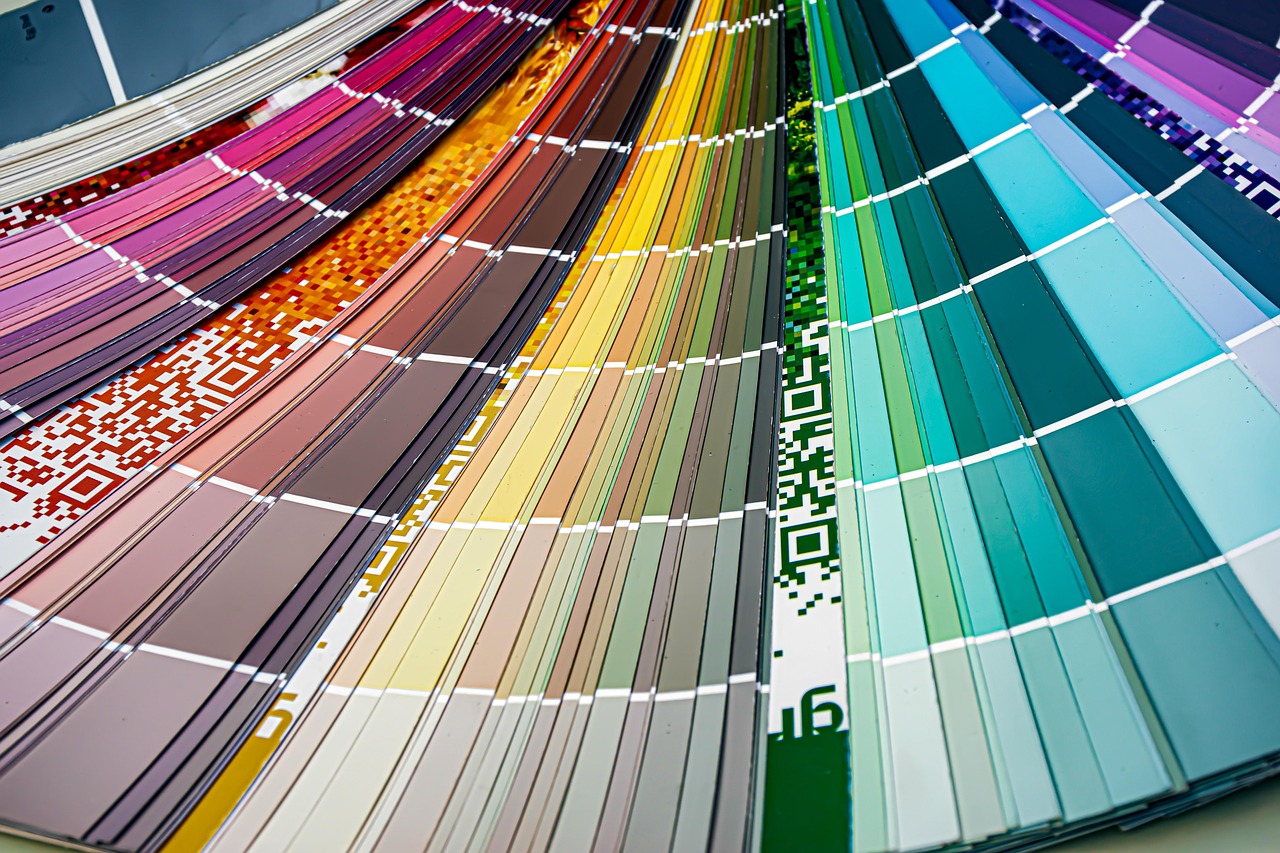
MDF spray finishing is available in virtually any colour from the RAL or NCS ranges, in matt, satin or high-gloss sheen. This makes it ideal for colour-matching to a brand, a kitchen design or an interior scheme — something brushed paint struggles to achieve consistently across a large project.
Where Is MDF Spray Finishing Used?
MDF spray finishing is used wherever a smooth, durable, premium finish is needed on board or joinery:
- Kitchen and bedroom doors, wardrobes and cabinetry
- Retail and shopfitting units, counters and display fixtures
- Bespoke furniture and joinery
- Architectural panelling, cladding and feature walls
- Commercial interiors where a hard-wearing, colour-matched finish matters
MDF Spray Finishing vs Paint at a Glance
| Factor | MDF spray finishing | Brushed/rolled paint |
|---|---|---|
| Application | Sprayed, thin even coats | Brushed or rolled |
| Finish | Flawless, no brush marks | Visible brush/roller texture |
| Durability | Hard, scratch-resistant lacquer | Softer, chips more easily |
| Edges on MDF | Sealed and even | Absorb paint, can swell |
| Best for | Premium, high-wear, commercial | Quick, low-cost decorating |
Frequently Asked Questions
What is MDF spray finishing?
MDF spray finishing is a wood finishing process where MDF is sanded, sealed and then sprayed with primer, basecoat and a lacquer topcoat, then cured. It produces a smooth, even, hard-wearing, factory-quality finish without the brush marks of ordinary paint.
How is spray finishing different from painting MDF?
Painting MDF usually means brushing or rolling on emulsion or gloss, which leaves texture and can swell the porous edges. Spray finishing applies specialist sprayed coatings in thin even layers for a flawless, far more durable furniture-grade finish.
Is sprayed MDF more durable than painted MDF?
Yes. A cured sprayed lacquer finish, especially a two-pack polyurethane, is much harder and more scratch- and chip-resistant than brushed paint. This makes spray finishing the better choice for kitchens, shopfitting and commercial interiors.
Why does MDF need to be sealed before finishing?
MDF is porous and its cut edges absorb coatings and can swell, leaving an uneven finish. Sealing and priming the board first creates a uniform, non-absorbent base so the colour and lacquer go on smoothly and evenly.
What colours can MDF be spray finished in?
MDF can be spray finished in virtually any colour from the RAL or NCS ranges, in matt, satin or gloss. This makes it easy to colour-match to a brand, kitchen design or interior scheme across a whole project.
Can old painted MDF be re-sprayed?
Yes. Previously painted MDF can be sanded back, re-sealed and spray finished to restore a smooth, durable finish. This is a common way to refresh tired kitchen doors or shopfitting without replacing the units.
Conclusion
MDF spray finishing is a world apart from ordinary paint. By sealing the board and spraying on specialist primer, colour and lacquer, it produces a smooth, durable, furniture-grade finish in any colour — something brushed or rolled paint simply cannot match on porous MDF. For kitchens, shopfitting and commercial interiors, it is the professional choice.
At Spraytech, we provide professional MDF and wood finishing from our facilities in Bishop’s Stortford, serving joiners, shopfitters and designers across London, Hertfordshire and Essex. Wondering which finish lasts best? See our guide to the best coating for wood in commercial environments.