

What Metals Can Be Powder Coated? A Full Breakdown
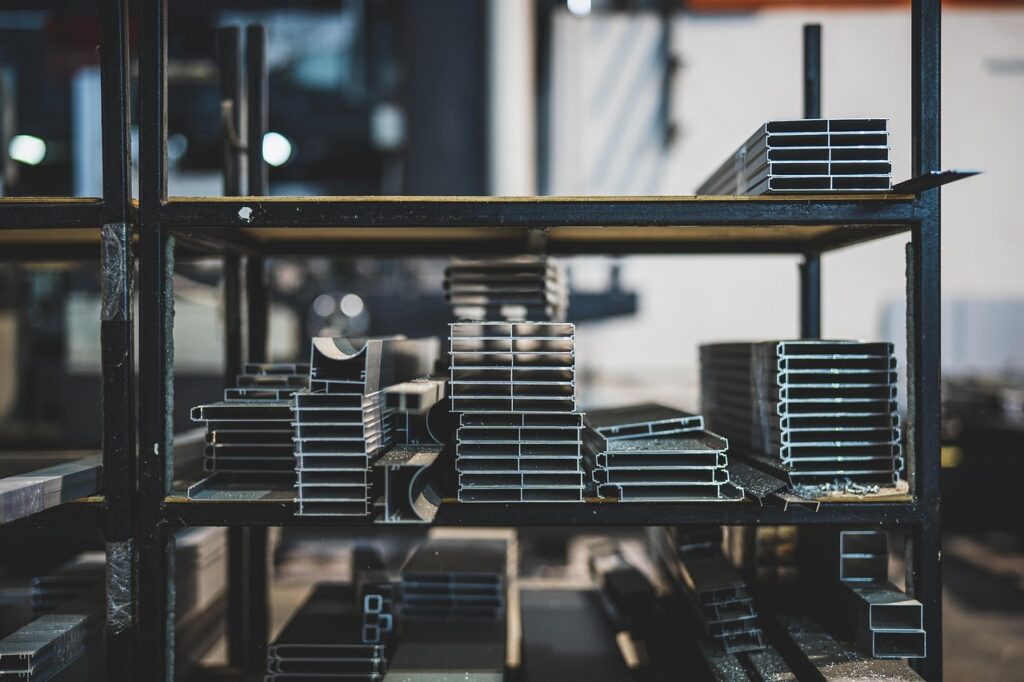
Most metals can be powder coated, including mild steel, stainless steel, aluminium, galvanised steel, cast iron, brass and copper. The only real requirement is that the metal can conduct an electrostatic charge (so the powder clings) and withstand the curing oven temperature of around 180–200°C. This rules out non-metals such as wood, plastic and rubber, but covers virtually every metal used in fabrication, manufacturing and the home.
Metal powder coating is used on everything from structural steel and alloy wheels to garden gates and architectural cladding. This full breakdown explains which metals can be powder coated, how the preparation differs between them, and the few things that cannot be coated.
Key Takeaways
- Most metals can be powder coated — mild steel, stainless steel, aluminium, galvanised steel, cast iron, brass and copper
- A metal must conduct a charge and survive the ~180–200°C curing oven to be powder coated
- Each metal needs its own preparation — iron phosphate for steel, chromate-free conversion coating for aluminium
- Wood, plastic, rubber and other non-metals cannot be powder coated
- Some die-cast metals can “outgas” and need a pre-bake to avoid surface defects
- Correct preparation for the specific metal is what makes the finish last
What Metals Can Be Powder Coated?
The metals most commonly powder coated are:
- Mild steel — the most common; blasted and given an iron phosphate pre-treatment for corrosion resistance (see does powder coated steel rust)
- Aluminium — lightweight and rust-proof; needs a chromate-free conversion coating and non-ferrous blasting (see our aluminium powder coating guide)
- Stainless steel — coated for colour and finish rather than corrosion protection; lightly abraded for adhesion
- Galvanised steel — coated over the zinc layer for the best of both; needs an etch primer or degassing to avoid pinholes
- Cast iron — traditional gates, benches and cookware bases; blasted to remove scale and rust
- Brass and copper — can be coated for decorative finishes, with a clear powder to preserve the look
What Preparation Does Each Metal Need?
Different metals corrode and bond differently, so each needs its own preparation — using the wrong one is a leading cause of coating failure. The table summarises the key differences. Our mild steel and aluminium coating service covers the two most common in detail.
| Metal | Pre-treatment | Blast media | Main reason to coat |
|---|---|---|---|
| Mild steel | Iron phosphate | Steel grit | Rust protection + colour |
| Aluminium | Chromate-free conversion | Aluminium oxide (non-ferrous) | Colour + finish |
| Galvanised steel | Etch primer / degas | Light abrasion | Extra protection + colour |
| Stainless steel | Light abrasion | Fine media | Colour + finish |
| Cast iron | Blasting to bare metal | Steel grit | Rust protection + restoration |
What Metals Cannot Be Powder Coated?
Any material that cannot conduct a charge or survive the curing oven cannot be powder coated. This includes:
- Wood, MDF and timber — standard powder coating ovens are too hot (specialist low-temperature wood finishing is a separate process)
- Plastic and rubber — they melt or distort at curing temperatures
- Some die-cast and porous metals — these can “outgas” trapped air during curing, causing bubbles, so they need a pre-bake first
Why Preparation Matters More Than the Metal
Almost any metal can be powder coated — what decides whether the finish lasts is matching the preparation to that specific metal. Steel grit on aluminium, or skipping the conversion coating, causes failures that appear months later. A quality coater identifies the metal, blasts with the correct media and applies the right pre-treatment before any powder goes on. This is especially important for industrial powder coating where components must perform for years.
Frequently Asked Questions
What metals can be powder coated?
Most metals can be powder coated, including mild steel, stainless steel, aluminium, galvanised steel, cast iron, brass and copper. The metal needs to conduct an electrostatic charge and withstand the curing oven temperature of around 180 to 200°C.
Can aluminium be powder coated?
Yes. Aluminium is one of the most commonly powder coated metals. It needs a chromate-free conversion coating instead of iron phosphate, and must be blasted with non-ferrous media, because steel grit would embed iron particles that cause corrosion.
Can you powder coat stainless steel?
Yes. Stainless steel is powder coated mainly for colour and finish rather than corrosion protection. The surface is lightly abraded to give the powder something to grip, then coated and cured as normal.
Can galvanised steel be powder coated?
Yes. Galvanised steel is powder coated over the zinc layer to combine sacrificial zinc protection with a sealed, coloured finish. It needs an etch primer or a degassing bake first to prevent pinholes and outgassing defects.
What cannot be powder coated?
Non-metals such as wood, MDF, plastic and rubber cannot be powder coated because they cannot conduct a charge or survive the curing oven. Some die-cast and porous metals can outgas during curing and need a pre-bake before coating.
Does the type of metal affect powder coating?
Yes. Each metal needs its own preparation — iron phosphate for steel, chromate-free conversion coating for aluminium, etch primer for galvanised steel. Using the wrong preparation is a leading cause of premature coating failure, so matching it to the metal is essential.
Conclusion
Metal powder coating works on almost every metal — mild steel, aluminium, stainless steel, galvanised steel, cast iron, brass and copper — as long as it conducts a charge and survives the curing oven. Non-metals like wood and plastic cannot be coated, and a few die-cast metals need a pre-bake. In every case, matching the preparation to the metal is what makes the finish last.
At Spraytech, we powder coat a full range of metals from our facilities in Bishop’s Stortford, serving fabricators, manufacturers and homeowners across London, Hertfordshire and Essex. Learn more about what powder coating is, or get an idea of powder coating costs.